Typically, when discussing ways to score, individuals bring up rebounds and jumping shots. In terms of defense, they bring up steals and blocks. A few, luckily, touch on the crucial interval immediately following a miss. Because that is where true competitors leave their impressions.
Rebound basketball is about effort, timing, and control. Not talent. It’s about owning that small space under the rim where games are won. I’ve played long enough and coached enough teams to know that rebounding changes everything. You don’t have to be tall or athletic. You just have to learn the craft. And it starts with one thing that is boxing out.
Why Rebounding Matters More Than You Think
You miss 50% of your shots. Every team does. That means half the game is up for grabs. Rebounds decide who gets more chances. Teams that win the rebound battle win about 70% of games.

A missed rebound isn’t just a lost stat. It’s a lost possession. And that’s how momentum dies.
What “Boxing Out” Really Means
Most players think that “boxing out” means merely jumping behind an opponent, but that’s not the case. Boxing out means managing your position before jumping.
It’s a technique that keeps an opponent from getting a clear angle on the ball. They don’t even notice the borders when done properly. You have no requirement to look large. You must be solid and intelligent.
Step-by-Step: How to Box Out Correctly
Step 1: See the Shot
Start moving your body around your opponent gives up the ball. Keep an eye on the shot rather than the player.
Step 2: Locate Your Man
Find your matchup. Always know where your man is before you look for the ball. You can’t box out air.
Step 3: Make Contact
Step into them with your back or hip. Create contact before the rebound drops. Early contact wins position.
Step 4: Widen Your Base
Feet shoulder-width apart. Knees bent. Strong stance. Stay balanced.
Step 5: Seal and Hold
After making contact, keep your head down. Use your upper body to gently move backward. To prevent fouls, always hold your hands up..
Step 6: Go Get the Ball
Never wait for ball to come towards you. Attack when the ball is at its full height.

The Difference Between Offensive and Defensive Rebounding
| Type | Goal | Key Focus | Technique |
|---|---|---|---|
| Defensive Rebound | Secure the miss | Seal your man | Strong contact, clear space |
| Offensive Rebound | Extend the play | Beat rotation | Quick step, anticipation |
Defensive rebounding: starts with responsibility and protect your basket.
Offensive rebounding: is about surprise and movement to attack theirs.
Common Box Out Mistakes
| Mistake | What Happens | Fix |
|---|---|---|
| Watching the ball | You lose your man | Find body before ball |
| Standing straight | You get moved | Bend knees, stay low |
| Jumping too early | You miss the rebound | Wait for contact, then jump |
| Using arms to push | You get called for a foul | Use hips, not hands |
| Giving up early | You lose position | Hold until ball is secured |
Rebounding Footwork You Need
You have to use your feet, rather than your hands, to win rebounding. Getting around is crucial.
- Drop Step: Pivot and seal your man when they go around you.
- Slide Step: Stay balanced and adjust angles when the ball bounces off.
- Step and Seal: Take one step into contact, then seal space.
If your feet stop, your rebound chances drop.

Rebounding Timing
Timing decides who actually gets the ball. Not height. Not reach.
Here’s what to remember:
- Don’t jump at the shot.
- Wait until the ball starts falling.
- Read the bounce, long shots bounce long, short ones stay close.
If you can read the bounce, you can predict where the rebound will go.
How to Rebound Without Fouling
Players foul when they reach or lean. You don’t need to.
- Keep arms up.
- Lead with hips, not elbows.
- Maintain space instead of shoving.
The best rebounders play physical without being reckless.
Rebounding for Different Positions
Guards
Try to catch large rebounds. Get out of the wings. If you are unable to catch it, pass the ball towards your big guys.
Forwards
Body contact first. Seal hard. Be first to react.
Centers
Take control of the paint and support the defense. Talk all the time. Rebounding varies by position, but it must be desired by all players.
Strength and Training for Better Rebounds
Rebounding is physical. You need strong legs and hips. Here’s what helps most:
| Exercise | Focus Area |
|---|---|
| Squats | Lower body power |
| Lunges | Balance and stability |
| Deadlifts | Core and back strength |
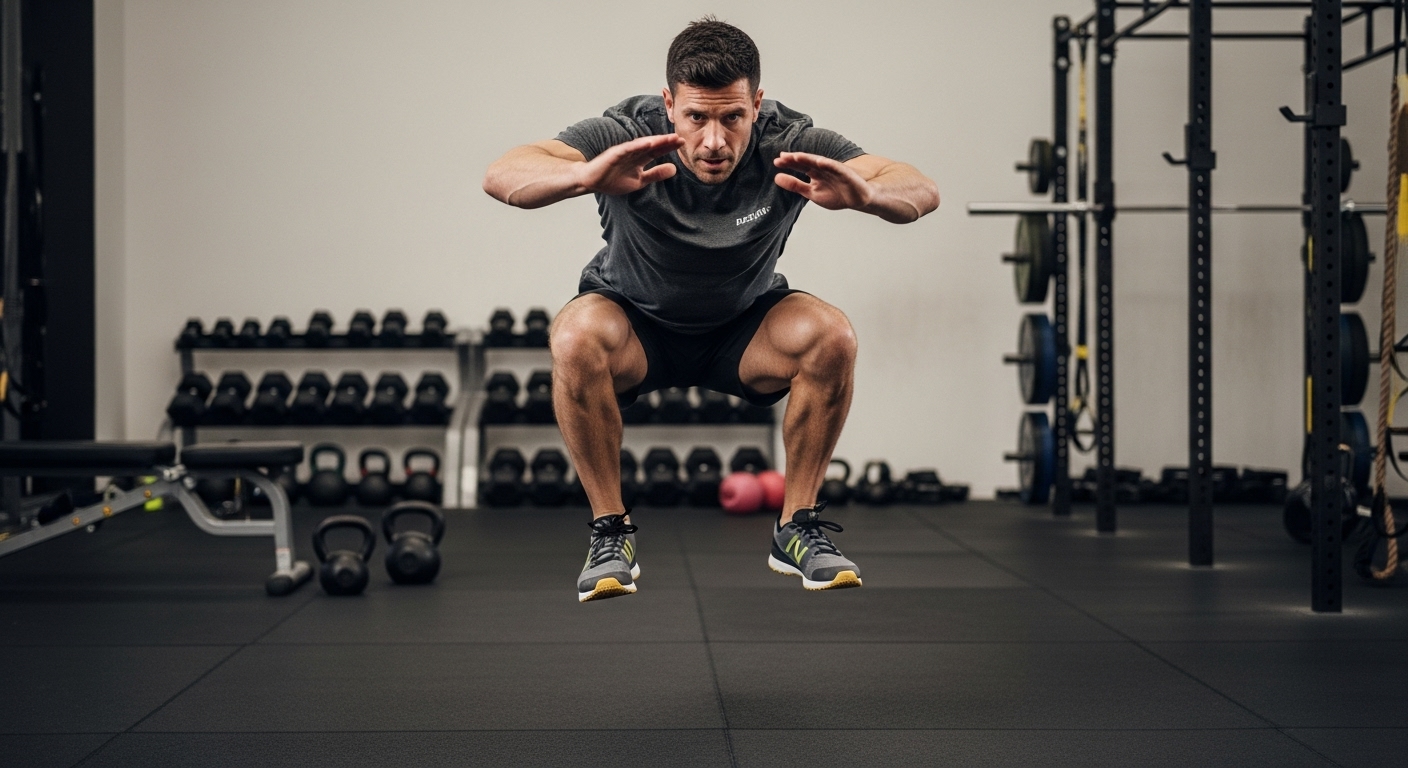
| Box Jumps | Explosion and timing |
| Planks | Core stability for contact |
Work on these three times a week. Small improvements add up.
Rebounding Drills You Should Practice
| Drill | Purpose |
|---|---|
| 2-on-2 Rebounding | Teaches contact and timing |
| Tip Drill | Improves touch and control |
| Box Out + Recover | Builds reaction speed |
| Free Throw Rebounding | Focus on positioning |
| Chaos Drill | Simulates real game rebounds |
Practice with real contact. Drills mean nothing if you avoid contact.
Rebounding for Youth Players
If you coach youth basketball, teach rebounding early. Don’t wait until they’re older.

Kids who learn how to box out young develop better defensive habits. Use cones, simple positioning games, and reward effort, not just rebounds. Make it fun but serious. Rebounding wins youth games too.
Advanced Box Out Moves
Once you’ve got the basics down, learn these advanced tactics:
Hip Seal
Slide your hips into your opponent’s space right before the ball bounces. Creates control.
Spin Box
If you get pushed out, spin off the defender and re-box from the other side.
Tap Rebound
If you can’t secure it, tap it out to yourself or a teammate. Keep the play alive.
Reverse Seal
Turn your opponent behind you and create a clear lane to the rim.
Real Game Scenarios
| Situation | What to Do |
|---|---|
| Three-point shot | Stay high — ball bounces long |
| Corner jumper | Crash from the weak side |
| Free throw | Block out lane, pinch middle |
| Fast break miss | One guard covers back |
| Zone defense | Find nearest man to hit |
Smart rebounders think before they jump.
My Rebounding Routine
From my years of playing and coaching, here’s a routine that builds muscle memory:
Warm-Up (10 min): Jump rope and stance hold
Box Out Drill (10 min): Partner contact work
Timing Drill (10 min): Predict rebound angles
Live Scrimmage (20 min): Full-speed boards
Cool Down (5 min): Core stretch
Do this 3 times a week. In a month, you’ll feel stronger under the rim.
Best Rebounders in NBA History
| Player | Rebounds per Game | Era |
|---|---|---|
| Wilt Chamberlain | 22.9 | 1960s |
| Bill Russell | 22.5 | 1960s |
| Dennis Rodman | 13.1 | 1990s |
| Dwight Howard | 12.7 | 2000s |
| Andre Drummond | 13.5 | 2010s |
Watch how they move. Every one of them masters position before power.

Final Thoughts
Rebounding is not about luck. It’s about habit. Every great rebounder repeats the same moves until they feel natural. You don’t need highlight plays. You just need consistency.
You make contact, you hold your ground and you can grab the ball. That’s it. Once you start controlling the boards, everything else in basketball feels easier. That’s what separates good players from the ones who change games.
FAQs
1. How do I improve rebound basketball skills fast?
Focus on body positioning and timing first. You don’t need to jump higher.
2. What are the best basketball rebounding drills?
Try 2-on-2 rebounding and tip drills. They teach control and contact.
3. How can I get more rebounds if I’m short?
Read the bounce and move early. Anticipation beats size.
4. How do I box out without fouling?
Use hips, not hands. Keep your arms up.
5. Who are the best rebounders in NBA history?
Rodman, Russell, Chamberlain, Howard, and Drummond are top-tier rebounders.

I’m Michael Green, bringing you player profiles, in-depth match analysis, key stats and records, tactical breakdowns, and the top plays that define every game.