

People ask me, “how many quarters in hockey?” Short answer: none in ice hockey. We play three periods, with intermissions, and then overtime if needed. Field hockey is the one with quarters. I know, annoying and mix-up.
Why everyone gets tripped up on “quarters”
I’ve been around rinks for over a decade. I’ve heard every version of this question. In my experience, people borrow rules from other sports. Basketball and football use quarters, so hockey must too, right? Nope. Ice hockey has periods. Three of them. It’s been that way forever, and honestly, it works.
How Many Quarters in Hockey?
Hockey does not have quarters. Ice hockey is played in three periods, each lasting 20 minutes of stop-time, with intermissions in between. Field hockey uses four quarters, each 15 minutes long. The confusion comes from other sports like basketball or football that divide games into quarters.
If you want the official, buttoned-up version with history, the ice hockey page on Wikipedia spells out the basics. But I’ll save you the scroll: pro games are three 20-minute periods of stop-time. That means the clock stops when play stops. Intermissions run about 15 to 18 minutes. Enough time to find a pretzel and a bathroom line long enough to test your patience.

But field hockey? Yes, quarters.
Field hockey switched to four quarters to speed things up and make it easier for TV. Each quarter is 15 minutes. Intervals are short. It’s tidy. If you’re hunting for the nitty gritty, check the field hockey overview. Two different sports. Two different formats. Same word “hockey” causing chaos at family dinners.
Ice hockey format, in plain words
Let me lay it out, because I’ve explained this to new fans in cold arenas at 9 p.m. while chewing on stale nachos. Ice hockey has three periods. If the game is tied, we get overtime. NHL uses 3-on-3 sudden death in the regular season, then a shootout if it’s still tied. Playoffs? Overtime keeps going until someone scores. Yes, it can be wild. And yes, I bring snacks.
Quick comparison
| Sport | Segments | Length per Segment | Intermission/Breaks | Overtime (typical) |
|---|---|---|---|---|
| Ice Hockey (NHL/IIHF) | 3 periods | 20 minutes (stop-time) | 15–18 minutes between periods | Regular season: 5 min 3-on-3 + shootout; Playoffs: 20-min sudden death periods |
| Field Hockey | 4 quarters | 15 minutes (mostly running time, with stoppages) | Short breaks between Q1–Q2 and Q3–Q4; longer halftime between Q2–Q3 | Varies by competition; sometimes shoot-outs |
Why periods make sense on ice
What I think is this: the three-period setup gives coaches two full resets. They tweak lines, talk special teams, and cool down goalies who look like they just saw a ghost. It keeps the game flowing while still allowing strategy. And strategy matters more than people think.
When coaches tinker between periods, they lean on real tactical breakdowns, who’s winning board battles, how exits are failing, why the forecheck is late. It’s chess, but with sharp blades and worse tempers.
I’ve always found that special teams shape the rhythm more than the clock does. A 2-minute power play can feel like an hour if the penalty kill is fearless. When I clip my favorite sequences, they usually land in our running list of Match Analysis, because those swings decide games.
“So… exactly how many quarters in hockey?”
I get the question. Again. If we’re talking ice hockey, quarters don’t exist. It’s periods. Three of them. If somebody tries to sell you “four quarters” for ice hockey, they’re either trolling you or mixing it up with field hockey. Happens all the time. I’ve cleaned up that confusion in more rinks than I can count.
League-by-league quirks
NHL has three 20-minute periods, 5-minute 3-on-3 overtime in the regular season, then shootout. Playoffs have 20-minute sudden death overtimes until someone scores. College hockey (NCAA) also uses three periods, with its own overtime rules that shift by conference and season. Youth hockey can vary, often shorter periods, sometimes running time. International tournaments follow IIHF rules for most formats.
| Level | Regulation Format | Regular-Season OT | Postseason OT |
|---|---|---|---|
| NHL | 3 x 20 min | 5 min 3-on-3 + shootout | 20-min periods, sudden death, repeat |
| NCAA | 3 x 20 min | Varies (3-on-3 adopted in many cases) | Varies by tournament |
| Youth/Rec | Often 3 x 12–15 min | Sometimes none | Usually none |
Between you and me, intermissions are where momentum flips. A goalie gets their head back. A defender stops chasing hits and starts sealing the wall. You can feel it. This is why I keep pointing folks to our Stats & Records, because the exact shift often comes right after the Zamboni does its dance.
Where field hockey changed the script
Field hockey’s move to quarters wasn’t random. It helped TV production, made breaks predictable, and allowed coaches tight tactical resets. I respect it. Different surface, different pace. If you’ve only watched field hockey highlights and stroll into an ice rink expecting Q1 and Q2, you’ll be confused by the scoreboard. No shame. Happens.
Highlights of crazy plays? Yeah, I stash those. If you want a cross-sport sampler that even my non-hockey friends enjoy, the Player Profiles mashups are weirdly addictive. Blame me later.

Common myths I keep hearing
“Quarters keep players fresher.” Maybe in field hockey. In ice hockey, shorter shifts (40–50 seconds for forwards) manage fatigue just fine. “The game would be better with four quarters.” I doubt it. Three periods already give two clean coaching windows and a flow that feels… right. Not perfect. But right.
When people ask me “how many quarters in hockey” for the tenth time in a week, I point them to big momentum swings and clutch finishes. That’s what we remember. If you like the showboat stuff, scroll our top plays. You’ll see why the format isn’t the star—the moments are.
Nuts-and-bolts details fans actually ask me
How long is a period? Twenty minutes of stop-time at the pro and college level. How long is intermission? Usually 15–18 minutes. How long is a whole game? With whistles and breaks, expect about 2.5 hours. Overtime? Depends. Regular season is short and wild; playoffs can turn into epic marathons. Yes, I’ve sat through a double OT where my coffee gave up before the second intermission did.
If you want to go down the rule-rabbit hole (I do this for fun, which is probably a cry for help), the IIHF posts fresh rule books every cycle. It’s dry, but accurate, and it clarifies overtime and format bits for international play and tournaments. Useful for coaches and stat nerds alike.
Strategy notes I scribble in the margins
I’ve watched coaches use the first intermission as a quiet reset. The second as a hard pivot. The best teams don’t waste those breaks. They adjust exits, tighten neutral-zone gaps, and flip a passive box into an aggressive diamond on the penalty kill. That’s where games swing. That’s where I live, nerding out, with coffee that tastes like rubber pucks.
If you’re into the Xs and Os like me, I break down those tweaks in our tactical breakdowns. It’s where the boring-looking stuff hides the big results.
And when a team finally nails the timing on a seam pass during a 5-on-3? That goes straight into my article of power play moments. You can feel the arena buzz before the puck even hits the net.
So what should you tell your confused uncle?
Tell him this: ice hockey has three periods, not quarters. Field hockey has four quarters. Different games. Different clocks. And no, we’re not switching anytime soon. Not unless someone convinces Zambonis to drive faster and coaches to stop tinkering. Good luck with that.
For the visual learners, I’ll keep posting the turning points inside our Hockey Rules. It’s the simplest way to see how a small change after an intermission becomes a big swing on the scoreboard.
If you’re still curious, and I hope you are, I also like pointing beginners to curated clips in our top plays. Start there, and the period structure will make sense fast. You’ll see why the game breathes better in thirds.
FAQs
- Does NHL hockey have quarters or periods?
Periods. Three of them. No quarters in ice hockey. - Why does field hockey have quarters then?
TV-friendly pacing and neat breaks. Different sport, different needs. - How long is each period in hockey?
Usually 20 minutes of stop-time in pro and college games. Youth leagues can be shorter. - Is overtime the same everywhere?
Not really. NHL regular season uses 3-on-3 then a shootout. Playoffs keep going with full 20-minute sudden death periods. - How long is a whole hockey game end to end?
Around 2.5 hours with intermissions and stoppages. Longer if overtime chaos kicks in.

I’m Michael Green, bringing you player profiles, in-depth match analysis, key stats and records, tactical breakdowns, and the top plays that define every game.
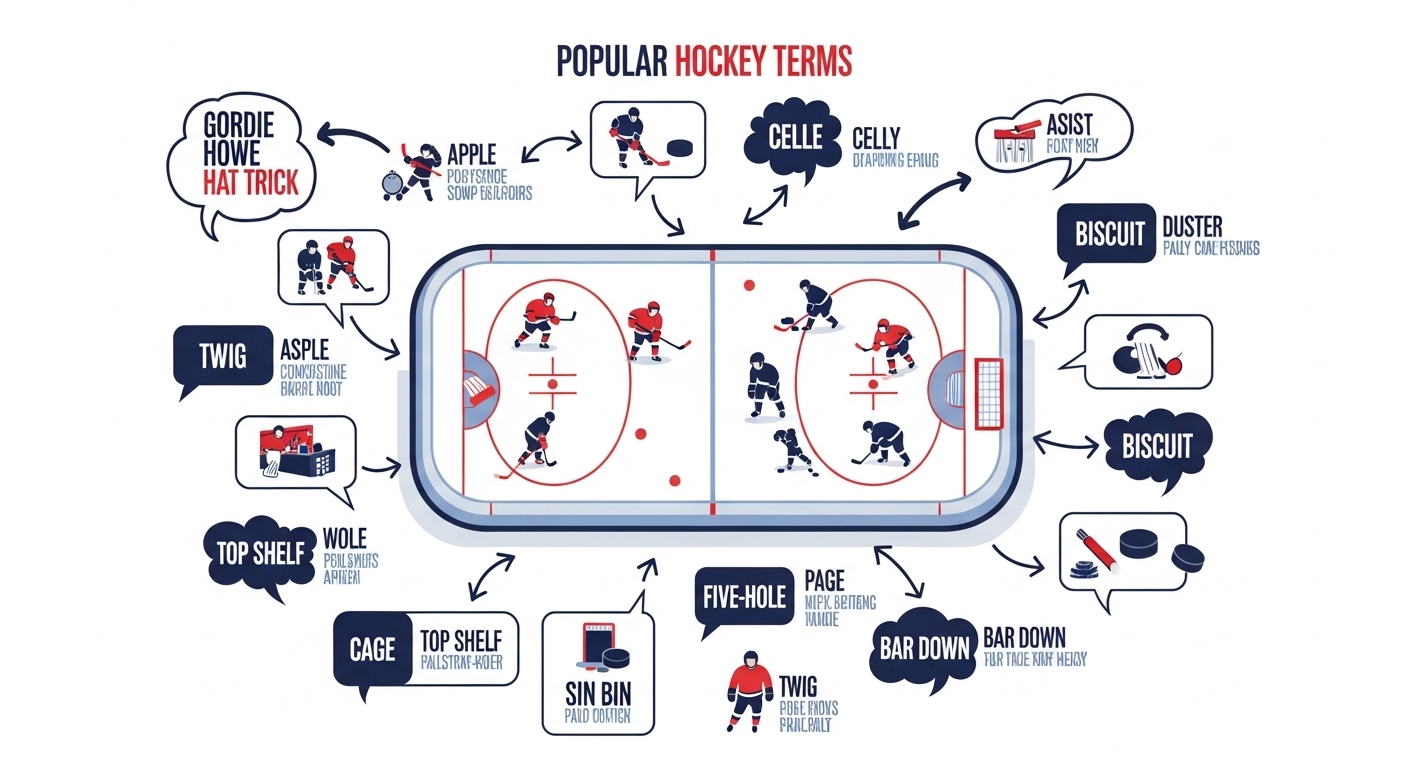


Ice hockey has periods, not quarters. Field hockey has quarters. Definitely common confusion among sports fans.
How do different hockey formats, periods in ice hockey, and field hockey quarters affect gameplay strategies?