When people ask me about hockey, they usually start here. What are the hockey positions? That’s fair. If you’ve never played, the ice looks like chaos. Sticks swinging. Pucks flying. Bodies crashing. But it’s not random. Each player has a role.
I’ve participated in adult leagues and coached youth leagues. I’ve witnessed what occurs when players are unsure of their positions. Games break down. The net is left open as people chase after the puck. Or three players congregate in one corner. Positions are important because of this.
What are the hockey positions?
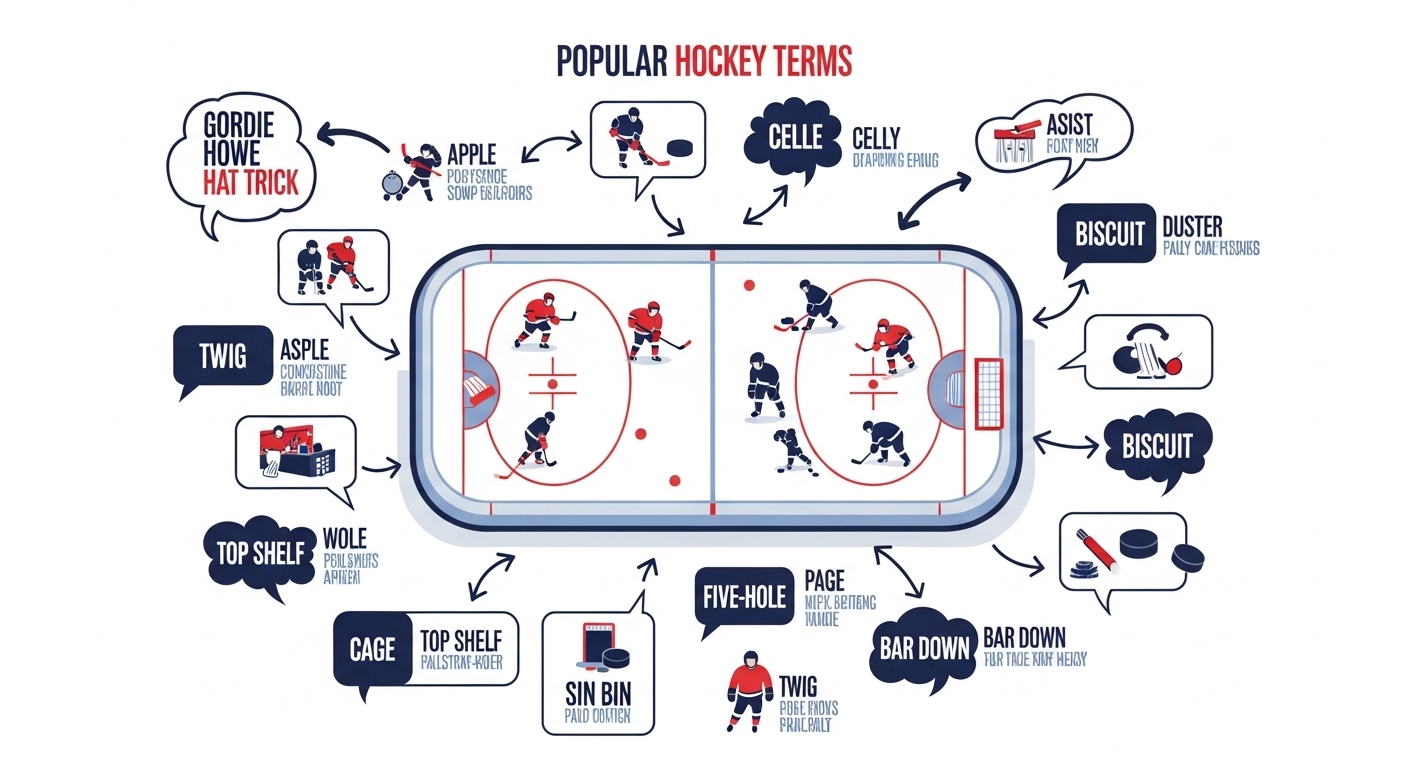
Each ice hockey team has six players, five skaters and one goalie. A simple concept. The five skaters are divided into forwards and defenseman.

Forwards (3 players): Center, Left Wing, Right Wing.
Defense (2 players): Left Defenseman, Right Defenseman.
Goalie (1 player): The last form of defense.
That consists your lineup. Now let’s get into what each position does.
Hockey Forward Positions
Forwards are the attackers. They push the puck up the ice and generate offense. Each forward has slightly different jobs, though.
The Center Position Role
The most adaptable position is played by the center. Face-offs are held at the center. They are both offensive and defensive players. Young players should always know that you skate the most if you play center. Compared to everyone else, you have to cover more ice.
Left Wing Hockey Position
Left wing plays on the left side, obviously. Their main role is to create chances, shoot when they get an opening, and support the center. A lot of left wingers are fast skaters who crash the net hard.
Right Wing Hockey Position
Pretty similar to left wing. But the right side has its own rhythm. They usually handle more passing and setup work. Right wingers often work the boards, winning battles in the corners.
Hockey Defense Positions

Defensemen protect the goalie and control the blue line. Two of them on the ice at once.
- Left Defenseman
- Right Defenseman
They aren’t just defenders. Good defensemen move the puck, start breakouts, and take heavy shots from the point.
Defenseman Responsibilities in Hockey
I advise new defensemen to remain calm at all times. Avoid chasing the puck like a forward. Don’t back down. It is your responsibility to make sure the proper outlet passes, block passing lanes, and clear in front of the net. In your zone, a poor turnover results in a goal being forfeited.
Hockey Goalie Position
The goalie a foundation. No matter how strong the offense is, if your goalie is bad, you will lose every time.
Goalies require mental toughness, patience, and quick reflexes. The puck is in the back of the net after one mistake. On the ice, they also talk a lot, calling plays or simply grabbing their defenemen’s attention.

Offensive Hockey Positions vs Defensive Hockey Positions
It’s easy. Goalies and defensemen indicate defense, while forwards indicate offense. However, lines blur in actual hockey. Backchecks are forwarded. In the play, defensemen pinch up. Everyone alternates between attacking and defending all the time.
Hockey Team Lineup Positions
A full hockey team has four forward lines and three defensive pairs. That’s how they rotate through a game. Players don’t stay on for long, usually 40-60 seconds per shift.
Hockey Starting Positions
When the game starts, one forward line, one defensive pair, and the goalie step out. Usually the coach picks the strongest line to set the tone.
Special Teams: Power Play and Penalty Kill
When a team takes a penalty, lineups shift.
Hockey Power Play Positions
With one extra player, teams run set plays. Common setups:
- One player at the point (blue line).
- Two on the wings.
- One in the slot.
- One near the net for screens and rebounds.
Hockey Penalty Kill Positions
Short-handed teams usually run a box formation. Four skaters stay tight, protecting the goalie, blocking shots, clearing the puck.

Youth Hockey Positions
Children frequently begin without rigid roles. To teach them the fundamentals, coaches let them skate freely. However, teaching positions become crucial once they enter organized play. It halts the mayhem caused by everyone vying for the puck.
Field Hockey Positions vs Ice Hockey Positions
Some people confuse these. Field hockey has more players and different roles. Ice hockey is tighter. Smaller rink, faster pace, fewer positions. The goalie is about the only overlap in terms of concept.
Hockey Position Names and Numbers
Traditional numbering goes like this:
- Center → 1
- Left Wing → 2
- Right Wing → 3
- Left Defense → 4
- Right Defense → 5
- Goalie → 6
Not every team uses these, but old-school coaches still talk about them.
Hockey Strategies by Position
Centers play two-way. Wings crash the net or cycle the puck along the boards. Defensemen guard the crease, block shots, and set up plays from the point. Goalies hold it all together.

Most Important Hockey Positions
People argue this one all the time. To me, it’s goalie. You can win with average forwards. You can scrape by with shaky defense. But you won’t win a game if your goalie collapses.
Table: Summary of Hockey Positions
| Position | Role on Ice |
|---|---|
| Center | Face-offs, playmaker, two-way role |
| Left Wing | Scoring chances, net-front play |
| Right Wing | Passing, board battles, shooting |
| Left Defenseman | Defend zone, start breakouts |
| Right Defenseman | Block shots, cover net, heavy shot |
| Goalie | Stop shots, last line of defense |
FAQs
1. What are the 6 positions in hockey?
Center, left wing, right wing, two defensemen, and goalie.
2. What is the most important position in hockey?
Most say goalie. A strong goalie can win games alone.
3. What does a defenseman do in hockey?
They protect the net, block shots, and move the puck out.
4. How many players are on the ice per team?
Six. Five skaters and one goalie.
5. Do kids play the same hockey positions as pros?
Mostly yes, but coaches simplify it for beginners.

I’m Michael Green, bringing you player profiles, in-depth match analysis, key stats and records, tactical breakdowns, and the top plays that define every game.