

As a coach and player for 10+ years, here’s my quick take, underwater hockey is a breath-hold team sport where we push a heavy puck along the pool bottom with tiny sticks, wearing fins, a mask, and a snorkel. Sounds weird. Works great.
What it is, fast and clear
I explain it like this to my friends, imagine ice hockey, but the rink is a pool, the skates are fins, and you can’t breathe unless you surface. Two teams. Six in at a time. Puck on the bottom. You dive, pass, tackle (legally), and score into a metal goal tray on the floor. Then you pop up, gasp, reset. It’s simple. The swimming is not.
How a play actually flows
- Start: refs drop the puck at center. Both teams sprint underwater from their walls.
- Possession: short passes with a little stick. You keep the puck flat. No big slapshots.
- Rotation: when your lungs burn, you surface, a teammate dives down and fills your spot.
- Defense: you block lines, press the wall, force curls, and trap the puck carrier.
- Goal: slide the puck into the metal tray. Very satisfying clunk.
If you like the dry, tidy version with dates and names, here’s the basic overview on the basic overview. I’ll stick to the messy truth.

Gear that actually matters
I’ve tried everything from garage-sale fins to race fins. Here’s what truly counts.
- Mask: low-volume, seals well. No leaks, or you’ll have a salty eyeball day.
- Snorkel: simple J-snorkel. No purge valves that whistle like a kettle.
- Fins: medium-stiff. Plastic is fine. Carbon is spicy but pricey.
- Glove: thick on the leading hand. Your knuckles will thank me.
- Stick: short, curved, with grip. Right or left hand—choose and commit.
- Puck: 1.3–1.5 kg. Dense. Obedient. Hurts only if you ignore it.
- Cap: ear guards. Because the pool wall does not move out of your way.
- Mouthguard: optional. Smart, though.
Quick gear table (what I actually use vs budget)
| Item | Budget Pick | What I Use | Notes |
|---|---|---|---|
| Mask | Low-volume freedive mask | Soft silicone freedive mask | Low volume = easier equalizing and less drag |
| Snorkel | Plain J-snorkel | J-snorkel with stiff tube | No purge valve; fewer bubbles, less failure |
| Fins | Plastic medium-stiff | Composite medium-stiff | Power matters more than brand hype |
| Glove | DIY rubber + tape | Molded protective glove | Save your knuckles, save your week |
| Stick | Club loaner | Custom curve, textured grip | Comfort makes passes cleaner |
Timing and the “periods or quarters” thing
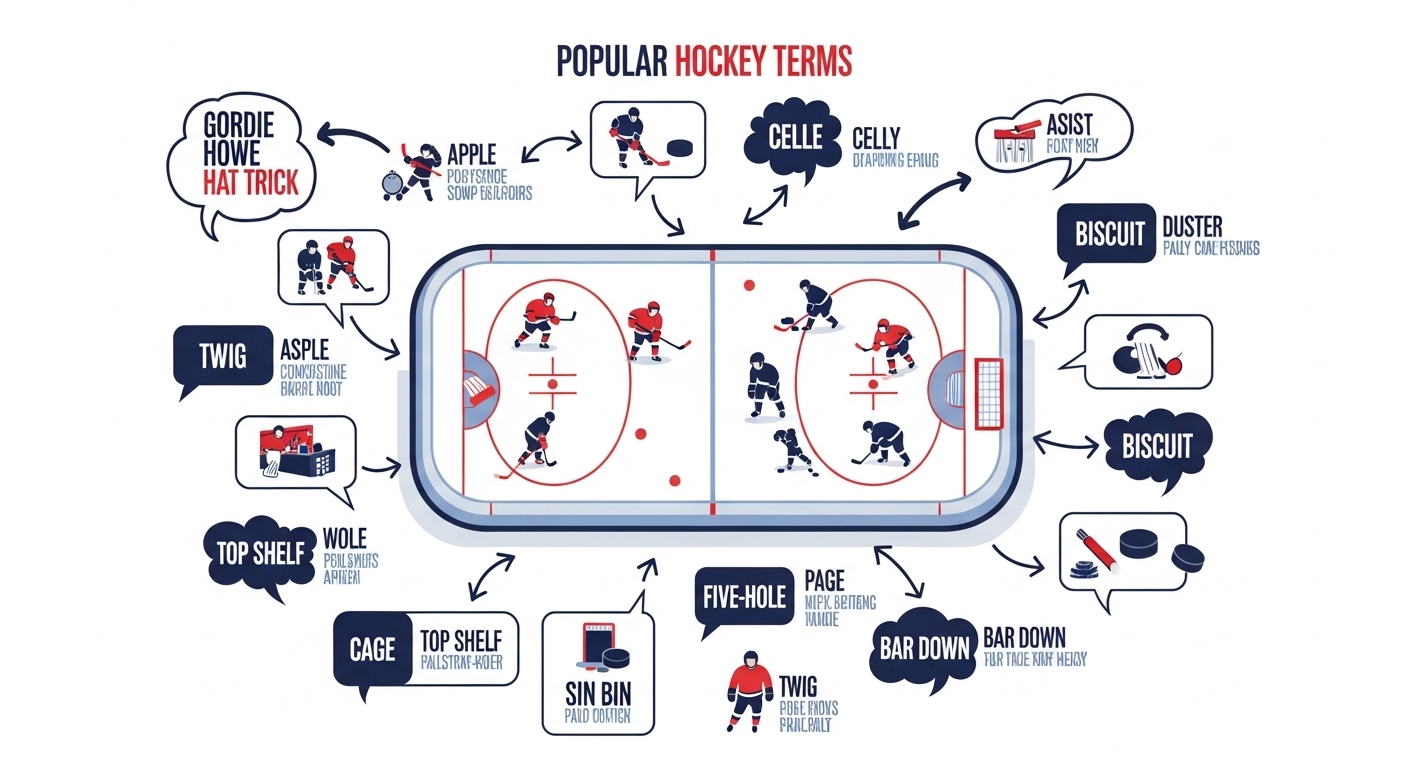
People ask if we copy ice or field hockey structure. In clubs I’ve played, games run two halves (10–15 minutes each), continuous time. If you’re used to the whole three-periods vs quarters debate, this explainer on ice vs field timing nails why land-hockey splits time the way it does. We’re underwater, switching out on the fly, so halves keep it simple.

“Icing?” Yeah, no.
We don’t have long bombs that cross lines and get whistled back. The puck can’t fly. If you want to nerd out on the classic rink rule set, here’s the icing rule explained. Underwater, we fight current, angles, and our lungs instead.
How long does a session really take?
My weeknight setup, 10 minutes warm-up, two halves at 12 minutes, a 3-minute halftime, and some drill time after. You’re in and out in about an hour. Compare that to TV-stop-filled rink games—this breakdown on how long NHL games really take shows why your remote dies before the third period ends.
Strategy that actually wins games
In my experience, most teams win by passing early, not by hero runs. The best forwards flick short, hug the wall when needed, then switch inside lane to pop the tray. Backs hold shape, angle the attack, and block the center curl. If everyone dives for the same puck? Hello chaos.
Roles I teach new squads
| Position | Main Job | Common Mistake | Fix |
|---|---|---|---|
| Center Forward | Drive middle, draw defense | Forcing through traffic | Dish early; re-dive for return pass |
| Wings | Support lanes, wall control | Floating too long | Short dives, constant rotation |
| Halfbacks | Stop counters, feed forwards | Chasing puck carrier’s fins | Cut angles, not bodies |
| Fullback | Last stop, clear to sides | Panicking on goal line | Absorb, curl, pass to space |
Training blocks that work
- 1–2 minute repeat: swims with fins, Keep heart rate up. Focus on clean turns.
- Lung-capacity drills: 25m underwater with buddy safety. No heroes. Rest plenty.
- Puck control circuits: wall curls, reverse curls, forehand to backhand flips.
- 3-on-2 drills: force quick passes and proper spacing.
- Start sprints: two lines, crack the puck, race to it, pass, finish.

Coverage and clips
If you’re the type who learns by watching, skim some top plays and see how fast small movements change the game. The best teams make five meters look like fifty.
And if you’re in that “I watch everything” phase, the mash-ups in Stats & Records are weirdly helpful at teaching pacing. You’ll start spotting rhythm and space, even if the sports look nothing alike.
Rules you should know before your first scrimmage
- No grabbing fins, masks, or people. You’ll get pinged by the ref’s stick tap.
- Stick on puck. Body checks are useless underwater anyway.
- Stay out of the goal tray unless you’re playing the puck. Don’t be furniture.
- Surface if you’re out of breath. Pride is not oxygen.
- Communicate topside, two words, a hand signal, reset the pod.
If you want the official history and formal rules, this summary is tidy, history and formal rules. I think it’s useful as a map; the pool is the territory.
Safety, honestly
I’ve coached kids, teens, and folks who think stretching is a rumor. We’ve had the usual, jammed fingers, minor ear squeeze, the rare bump. The big risks come from ego, staying down too long, skipping equalization, or popping to the surface without looking. Train with buddies, set hard limits, and you’ll be fine.
Stuff I wish I knew at the start
- Shorter fins beat long ones for agility.
- Look where your pass will be, not where it is now.
- Hold the stick like a pen, not a hammer.
- Your best move after a bad dive is a fast re-dive. Don’t sulk topside.
- The wall is a tool. Use it to pin, not to nap.

Finding a club
I’ve moved cities three times and found a team every time. Check local pool boards, search social pages, or ask at dive shops. Bring your own mask and snorkel first night. Clubs usually have spare pucks and sticks. Be ready to laugh at yourself. Everyone does, even veterans.
Why I still play
I like the quiet. No crowd noise. Just bubbles, fins, and a thunk when the puck hits metal. I also like that you can’t fake fitness here. The pool tells on you. And yes, I still get wrecked by 19-year-olds who sprint like torpedoes. Keeps me honest.
If you want the historical rabbit hole, who started it, how it grew, world championships, the dry archives have it. Start with the basic overview, then go play. Theory helps; water teaches.
Mini myths I keep hearing
- “You must be an elite freediver.” Nope. You need 10–20 second repeats. Build from there.
- “It’s all legs.” Mostly legs, yes, but stick skill saves oxygen.
- “No strategy.” Tell that to a 2-3-1 press and watch possessions melt.
- “Gear is expensive.” Start cheap. Upgrade later. Performance > price.
One last nerd note
People ask me if underwater hockey translates to other pool sports. It does. Water polo players bring vision. Freedivers bring calm. Finswimmers bring speed. You learn pressure management, timing, and simple, ruthless discipline. No speeches. Just the next dive.
And yes, I still call it a “puck,” and I still tape my glove like a superstitious goblin. Some habits don’t move, even when everything else is literally underwater.
FAQs
Does it hurt your ears?
Only if you don’t equalize. Go slow, pinch and blow, or swallow. If it hurts, stop and fix it.
How fit do I need to be to start?
If you can swim 200 meters steady and do short sprints, you’re fine. You’ll get fitter fast.
What about glasses or contacts?
Contacts under a good mask work for many players. Prescription masks exist too.
Is there a goalie?
Not like on land. The last defender plays goalie-ish, but we all defend the tray by rotation.
How do I breathe during play?
You don’t. You dive, play, surface, breathe through the snorkel, then dive again. Short and smart.

I’m Michael Green, bringing you player profiles, in-depth match analysis, key stats and records, tactical breakdowns, and the top plays that define every game.

Is staying underwater more exhausting than it seems during a game?
How do you strategize player rotations during intense games, considering the need for constant diving and surfacing?