

As someone who’s coached competitive cheer for 12 years, judged meets, and iced more wrists than a school nurse, I’ll answer fast, is cheerleading a sport? Yes. It’s competition, it’s scoring, it’s training, it’s risk, it’s teamwork. It’s stunts, tumbling, pyramids, jumps, and a lot of bruises.
In my experience, it fits every sane definition of sport. And if you want the long version that pull up a folding chair.
Where I’m Coming From (and Why I’m So Sure)
I started as a base in high school. I moved to coaching. I learned how to count 8s in my sleep. I’ve watched athletes stick a full-up at 8 a.m., then hit a double down after lunch like it’s a snack. I’ve also watched three sprained ankles in one routine when the timing went off by a half-beat. I’ve lived this. So I’m not guessing.
Quick Answer Is Cheerleading a Sport
- There’s a rulebook, trained judges, and a scoring system.
- Athletes train for strength, power, flexibility, and endurance.
- There’s real competition. With winners and losers. And receipts.
- Skill standards exist, stunts, tumbling levels, safety rules.
- Injury risk is real, so safety gear and spotters matter.
What Counts as a Sport?
Definitions helps a lot. A sport needs organized competition, skill, rules, and a scoring method. You can find a simple explanation in the Britannica entry on cheerleading. It lays out exactly what cheer is and how it evolved.

Also, history matters. There’s a useful overview of how cheer grew from sidelines to all-star competitions on Cheerleading (Wikipedia). You’ll see the split between “sideline” cheer and “competitive” cheer. Two different beasts. Same species.
Sideline vs. Competitive Cheer (Short and Clear)
I’ve always found it easier to show than tell. Here’s what I mean when I say cheer is more than pom-poms and chants.
| Type | Goal | Surface | How It’s Scored | Core Skills | Risk Level |
|---|---|---|---|---|---|
| Sideline Cheer | Lead the crowd; support a team | Track/Field/Court | Not scored (game support) | Chants, basic stunts, spirit | Moderate |
| Competitive Cheer | Score higher than other teams | Spring floor / dead mat | Judged on difficulty + execution | Stunts, tumbling, pyramids, jumps | High |
When I’m mapping cheer to other sports for new parents, I pull up this sports connections cheat sheet to show them how roles, eras, and even stats mirror the structure you see in, say, gymnastics, figure skating, or diving. Different language but same logic.
Does Official Recognition Exist?
This isn’t just me yelling from the bleachers. The International Olympic Committee granted full recognition to the International Cheer Union. That’s not small. That’s the big table.
But Didn’t a Court Say Cheer “Isn’t a Sport”?
That line comes from a 2010 court case about Title IX compliance. The ruling wasn’t “cheer isn’t a sport forever.” It was “this specific college program, at that time, didn’t have enough structure to count under Title IX.” Legal categories move slower than real life. Ask any rugby player.
Safety People Are Yelling “Make It a Sport,” Too
Safety is the quiet decider here. The AAP recommends cheerleading be designated a sport so schools must follow sport-level medical and training standards. That means certified coaches, proper mats, concussion protocols, and sane practice rules. Athletes deserve that.

But Sports Look Different. Always Have.
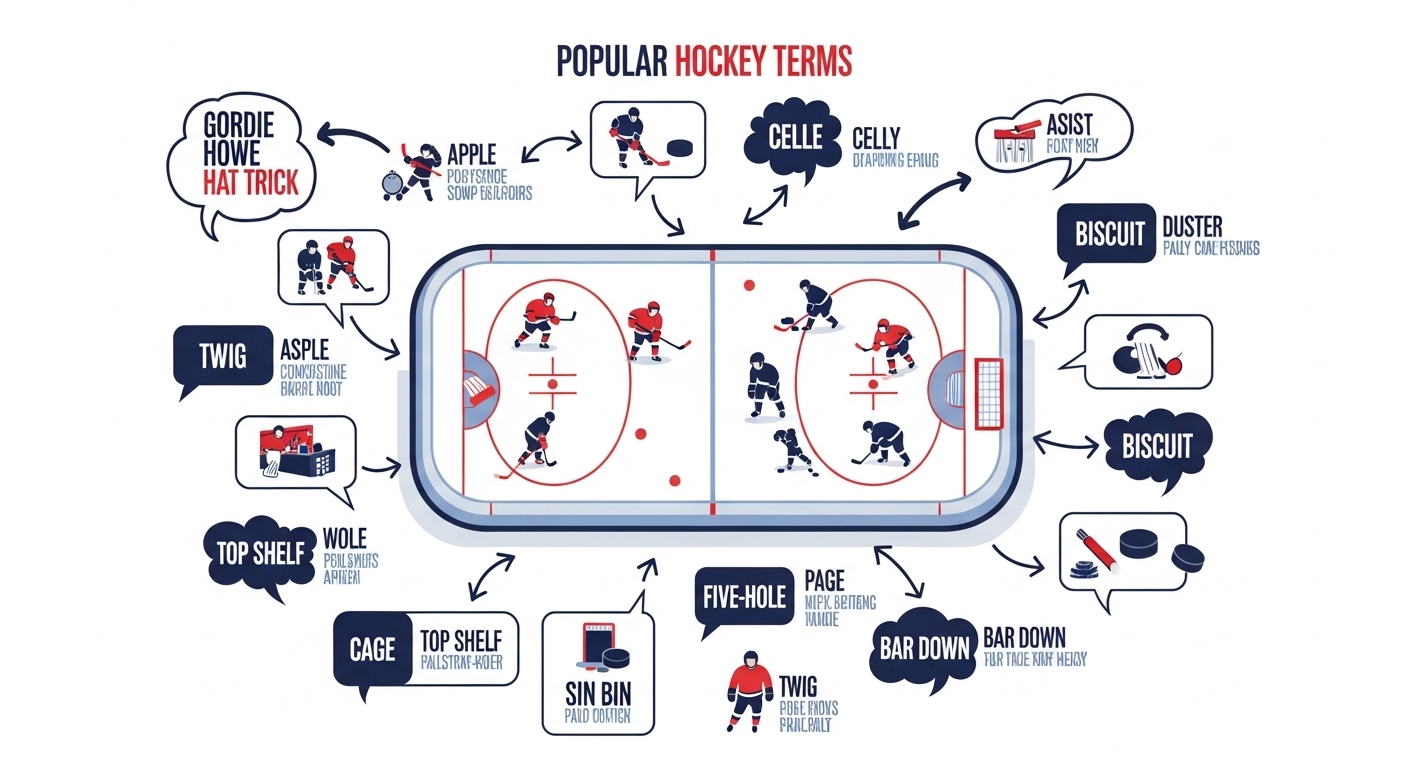
I’ve heard “sports have halves.” Cool. Hockey laughs in three languages. Even ice hockey has three periods, while field hockey uses quarters. Formats vary. Criteria don’t.
I also show parents highlight reels because, let’s be honest and seeing is believing. If you want the game-winning stuff, our top plays collection is where you’ll watch athletes stick a pyramid under pressure, not just a pretty smile.
What Actually Happens in a Routine?
- Warm-up: jumps, stretching, band work. Ankles and shoulders hate us.
- Tumbling: standing tucks, layouts, fulls. The floor decides your fate.
- Stunts: libs, heel stretches, full-ups, double downs. Bases do math with their biceps.
- Pyramids: timing, tension, and trust. One mistake can ripple.
- Dance: precision and stamina when your lungs already gave up.
How Scores Work (Short Version)
- Difficulty: what you attempted.
- Execution: how clean it was.
- Technique: body lines, landings, sync.
- Deductions: falls, bobbles, safety breaks.

That’s judging. With math. Not vibes.
Why Do People Still Argue?
Stereotypes and Sideline cheer are visible. Competitive cheer is a weekend culture, long buses, early call times, dead mats, and “hit zero” chants. If you’ve only seen pom-poms at halftime, you’re missing the routine that earns medals.
I think some people confuse “popular” with “valid.” Soccer is everywhere. There’s even a whole breakdown on why football is the most popular sport in the world. But popularity doesn’t define sport. Structure does.
Money and Governance, The Honestly Messy Part
I’ve always found the business side weird. Different bodies run different circuits. Uniform rules evolve. Some teams have pro-level training; others fight for gym time. But messy governance doesn’t remove “sport.” It just means the adults are still organizing the sandbox.
What I See In the Gym (Real Talk)
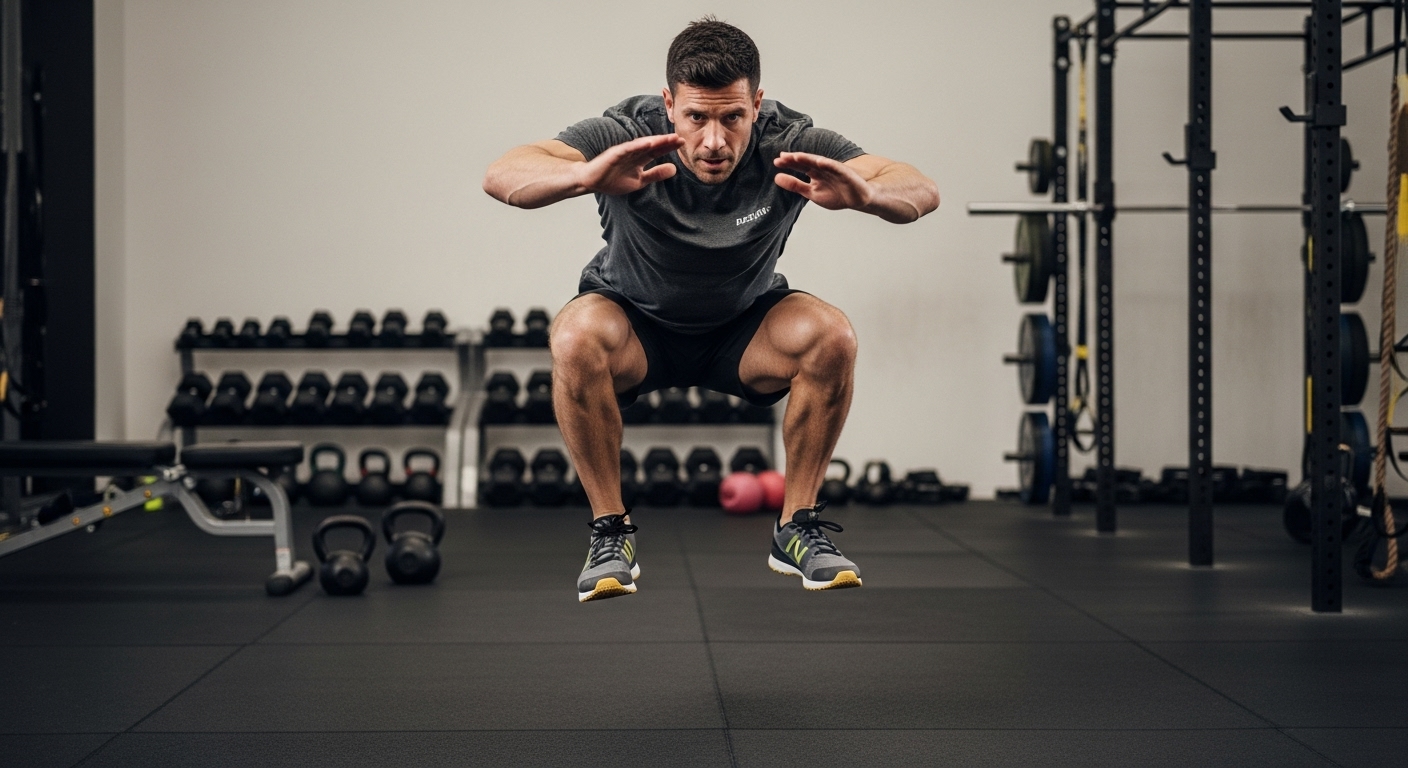
Jumps are plyometrics. Tumbling is acrobatics. Stunting is weightlifting plus trust fall nightmares. We do conditioning like track. We do flexibility like dance. We do timing like synchronized swimming. We breathe like asthmatics on mile three.
And when a team hits, no falls, no wobbles and time slows. I share moments like that in our Match Analysis, because the clutch factor is the same across every sport I love.
Training Snapshot (What a Week Can Look Like)
- Mon: Strength and technique blocks. Core and shoulders on fire.
- Tue: Tumbling progressions. Spotting, reps, confidence work.
- Wed: Full-outs. Film. Cry a little. Fix counts.
- Thu: Pyramids and baskets. Safety checks. More tape.
- Fri: Mark-through. Polish. Recovery.

If You Need a Simple Checklist
- Rules and judges? Yes.
- Scoring system? Yes.
- Training and conditioning? Yes.
- Competition with winners? Yes.
- Skill development and progression? Yes.
- Injury risk that requires safety standards? Also yes.
Why I’m Still A Little Snarky About the Question
I’ve heard “But they smile.” Sure. So do gymnasts on beam and figure skaters landing triple jumps. Smile doesn’t cancel sport. If anything, it makes it harder. Try holding a grin while your core is shaking on a one-leg stunt at level 6. Let me know how that goes.
Mini-Guide: What to Watch If You’re New
- Look at the top of the pyramid: are toes pointed, are grips secure?
- Watch tumbling landings: chest up, heels together, no extra steps.
- Listen for counts: does the team hit on the same beat?
- Check for bobbles: tiny wobbles add up to deductions.
- Notice transitions: clean changes separate good from great.
And If You Still Feel Skeptical
It’s fine. Come to one comp. Watch warm-ups. Watch a team go full-out, then do it again ten minutes later because someone’s heel slipped. See the math, the muscle, the timing. After that, you’ll get why asking the big question again feels… tired.

Honestly, I used to worry the debate would never end. Now I just teach, coach, and point to facts. The sport label follows the work. That work? It’s loud. It’s real. And it keeps winning people over slowly, then all at once.
FAQs
Does cheer have a real scoring system or is it just “judges’ choice”?
There’s a rubric with points for difficulty, execution, technique, and deductions. It’s numbers, not vibes.
What’s the difference between sideline cheer and competitive cheer?
Sideline leads the crowd at games. Competitive cheer performs a scored routine against other teams on a mat.
Is cheer dangerous?
It can be. That’s why we push certified coaches, spotters, proper mats, and sane progressions.
How many hours do cheer athletes train?
Anywhere from 6 to 15 hours a week in season, plus conditioning. Some all-star teams do more.
Why do some people still say cheer isn’t a sport?
They’ve only seen sideline cheer, or they’re stuck on old rules. Watch a competition routine and it clicks.

I’m Michael Green, bringing you player profiles, in-depth match analysis, key stats and records, tactical breakdowns, and the top plays that define every game.

What actually happens in a routine? Do teams face off directly?
Is the International Cheer Union’s Olympic recognition proof enough that cheerleading is a sport?